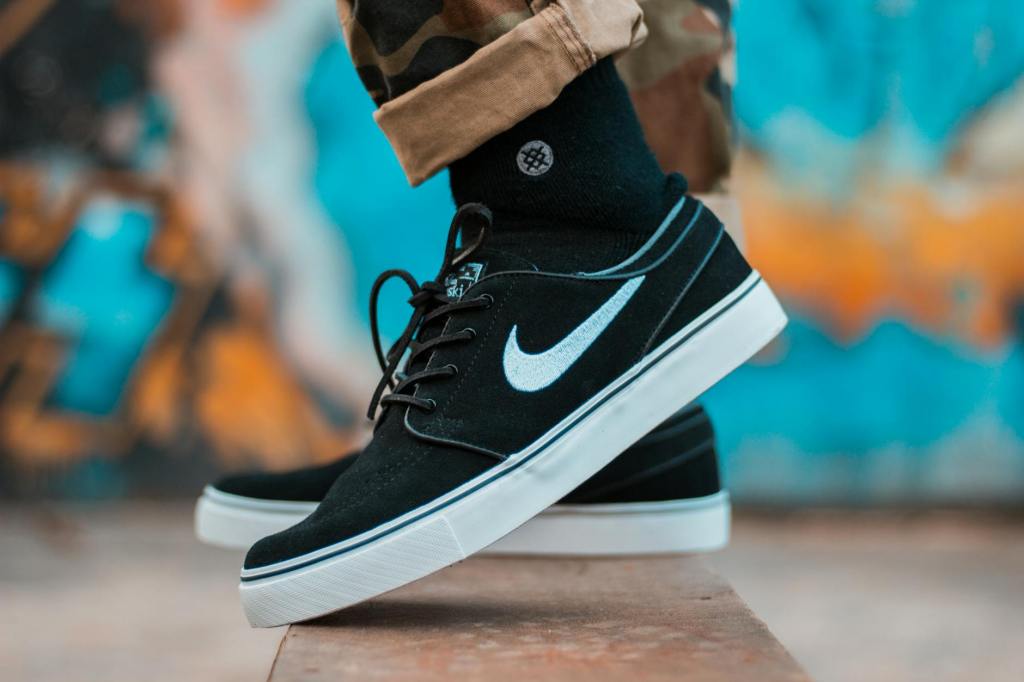
The digital landscape is oversaturated with content, creating an environment where brands are not just competing with direct competitors, but also with the sheer volume of digital noise; social media, streaming platforms, news cycles, and algorithm-driven feeds. Brands today face a fundamental shift in consumer behavior:
The average attention span has dropped to 8 seconds, meaning brands have mere moments to make an impression.
Ad fatigue is real; consumers actively avoid advertising, skip ads, and install ad-blockers.
Traditional marketing no longer works interruptive advertising is being replaced by immersive, narrative-driven content experiences. Nike has navigated this shift better than most brands, using a combination of visual storytelling and influencer marketing to not only capture attention but also sustain engagement in a distracted world.

The Attention Economy and the Death of Traditional Advertising
Why Attention is the New Currency
Historically, advertising was about placement, brands paid to be seen. Today, it’s about earning attention, and consumers decide which content they engage with. This shift is a direct response to digital oversaturation:
Consumers are bombarded with 10,000+ ads per day, making selective attention a survival mechanism.
Social media platforms operate on engagement-based algorithms, meaning content that doesn’t generate an emotional or behavioral response gets deprioritised.
People are drawn to content that aligns with personal identity, values, and aspirations, pushing brands to create narratives that feel personal.
Nike’s approach recognizes that in an era where consumers can ignore and filter out content, brands must create stories that demand to be noticed.
Nike’s Strategy: The Intersection of Storytelling, Visual Impact, and Social Influence

1. Visual Storytelling: The Science Behind Nike’s Branding
Nike’s branding is deeply rooted in human psychology. Every piece of content is designed to tap into emotional triggers that compel audiences to engage.
The Power of Minimalist, Emotionally-Driven Imagery
Nike’s advertising relies on a visual economy of storytelling each image must tell a full narrative at a glance.
High-contrast visuals draw immediate attention, leveraging the human brain’s natural preference for distinct, bold imagery.
Motion-based storytelling (slow-motion shots, close-ups of exertion, and moments of victory) create cinematic intensity, mimicking documentary storytelling.
Deliberate use of facial expressions and body language; Nike often showcases athletes in moments of exhaustion, triumph, or deep focus, reinforcing its core brand message of perseverance.
Nike’s “Find Your Greatness” campaign is a prime example of this approach, using ordinary athletes instead of superstars, showcasing raw, unfiltered determination. The visual storytelling was so powerful that viewers emotionally connected with the campaign before even registering it as a Nike ad.
The Role of Cultural Relevance in Storytelling
Nike doesn’t just follow cultural conversations, it shapes them. The Colin Kaepernick “Believe in Something” campaign aligned Nike with a powerful social movement, creating both polarization and deep brand loyalty.
Nike collaborates with underrepresented athletes and communities, expanding its brand narrative beyond performance to include social identity and empowerment.
This approach ensures Nike’s content is not only seen, but remembered and talked about, sustaining long-term engagement.
2. Influencer & Athlete Marketing: The Science of Social Influence

Nike’s influencer marketing differs from traditional brand partnerships. Instead of simply hiring influencers, Nike integrates them into its brand’s broader narrative, turning them into living brand stories.
Why Nike’s Influencer Model Works
1.Authenticity over Traditional Endorsements- Instead of using influencers as spokespeople, Nike frames them as participants in a larger brand journey.
2.Micro-influencers & Niche Communities- Nike understands that influence is not always about audience size, but about depth of engagement.
3.Long-Term Brand Partnerships- Many of Nike’s athlete endorsements span decades, reinforcing brand consistency and trust.
A prime example is Nike’s partnership with Serena Williams. Unlike typical endorsements, Nike co-developed product lines with her, celebrated her struggles as a mother, and integrated her into brand storytelling on resilience and gender equity.
The Psychology of Trust and Relatability
Nike uses a mix of celebrity influence and everyday athletes to create aspirational yet relatable marketing. This mirrors how consumers subconsciously trust recommendations from “people like them” more than corporate messaging.
Nike’s micro-influencer partnerships in running communities, streetwear culture, and emerging sports ensure its content resonates at multiple cultural levels.
What Brands Can Learn from Nike’s Approach

1. Earn Attention Through Emotional Storytelling
Consumers engage with content that makes them feel something. Nike’s marketing isn’t about its products; it’s about perseverance, identity, and ambition.
2. Visual Economy: Make Every Frame Count
Nike’s visuals are instantly recognizable, proving that design consistency and cinematic storytelling are critical for engagement.
3. Social Influence > Advertising
People trust other people more than brands. Nike understands that aligning with the right voices creates organic engagement.
4. Cultural Relevance = Long-Term Engagement
Nike doesn’t just sell shoes; it sells culture. Aligning with societal conversations ensures Nike stays in the spotlight beyond traditional marketing cycles.
Final Thoughts: The Future of Attention Marketing
Nike’s success in the attention economy proves that brands must evolve beyond transactional advertising into cultural storytellers. In an era of algorithm-driven content curation, the ability to capture and sustain attention is the difference between market dominance and irrelevance.
Nike’s formula, high-impact visuals, emotional resonance, and culturally embedded influence, is a masterclass in earning attention in a distracted world.



 Certified And Creative
Leave a comment