Introduction: Branding Is Perception, Not Just Product
In an ideal world, the best product should win. But we don’t live in a world driven purely by logic, we live in a world shaped by perception. Consumer decisions are rarely rooted in objective analysis. They’re driven by how a brand makes people feel, what it symbolizes, and what it says about the person buying it.
Apple understands this better than almost any other brand.
With nearly every product cycle, Apple proves that perception can be more valuable than innovation. Its devices rarely come first to market with features but it doesn’t matter. Apple commands attention, loyalty, and premium prices because it sells a feeling, not just a phone. This case study unpacks the psychology behind Apple’s brand strategy and how brands can apply these principles to build power, prestige, and pricing confidence.
1. The Science of Brand Perception: Why We Pay More for Certain Brands
Brand perception acts as a mental shortcut, a way for the brain to simplify decision-making. Consumers can’t always compare features in-depth, so they use brand cues to determine value, quality, and trustworthiness. Let’s break down two powerful psychological triggers Apple has mastered:
A. The Veblen Effect: When Higher Prices Signal Higher Status
The Veblen Effect is a behavioral economics principle where demand increases as price increases because the high price makes the product more desirable. In short: some consumers want to be seen owning something expensive.
This effect is strongest in categories like luxury fashion, cars, and yes, tech as status symbols.
Apple leans into this. It never discounts flagship products, rarely mentions price in advertising, and consistently sets its prices above the competition. Even when cheaper options exist with similar or better specs, Apple maintains its status by communicating:
- We don’t need to discount to win.
- We’re not in the same category as our competitors.
- If you want the best, you pay for it.
This pricing strategy attracts aspirational consumers who equate cost with exclusivity.
B. The Halo Effect: One Great Product, Infinite Brand Trust
The Halo Effect is a powerful cognitive bias: if a brand does one thing exceptionally well, consumers assume everything they offer must be high quality.
Apple leveraged this with the iPhone. Its success created a positive brand halo, casting trust, prestige, and desirability over the rest of Apple’s ecosystem; MacBooks, iPads, AirPods, even services like iCloud and Apple Music.
The result?
Apple doesn’t need to reinvent the wheel with every product launch, its brand perception adds value by default. Small innovations feel major because the brand has primed consumers to expect greatness. When perception is this strong, even incremental updates feel like revolutions.
2. Apple’s Premium Brand Strategy: Building a Perception of Superiority
So how does Apple cultivate this perception? Through intentional design choices, pricing strategy, and a meticulously crafted customer experience. Let’s break down their playbook.

A. Minimalist Branding: Luxury Through Less
Apple’s branding is famously minimal, clean visuals, sparse messaging, white space, and sleek hardware design. But this simplicity isn’t accidental, it’s a psychological positioning strategy. Minimalism signals:
- Confidence (we don’t need to over-explain)
- Refinement (our products speak for themselves)
- Luxury (scarcity and subtlety are premium cues)
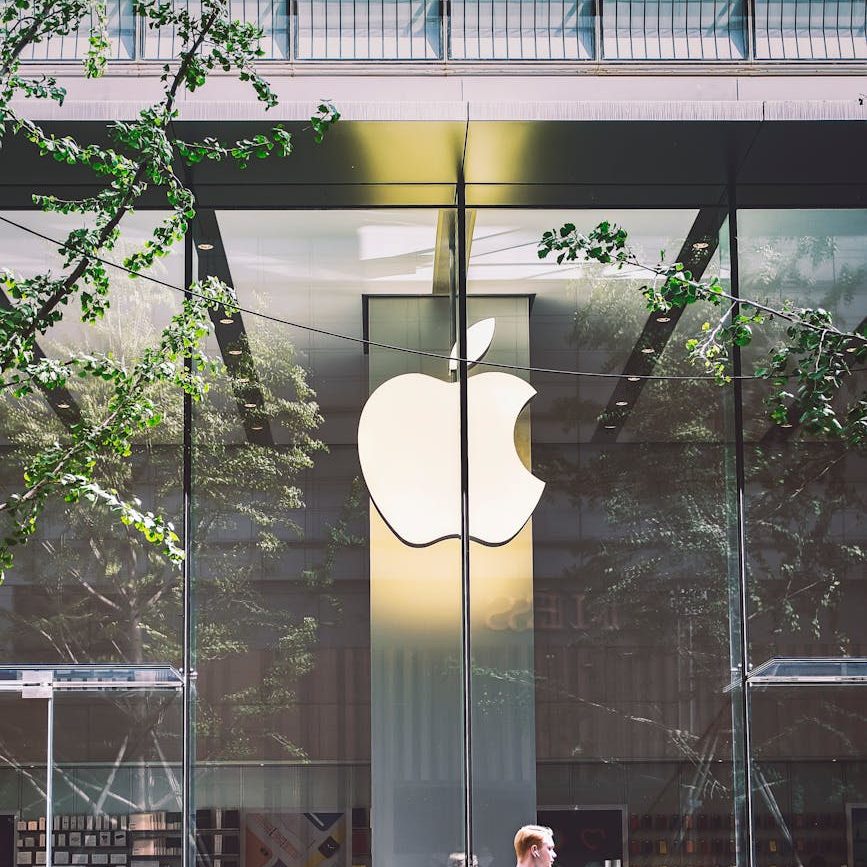
Walk into any Apple store and you’ll feel like you’re in a modern art museum. Products are displayed like sculptures. Employees are dressed like stylists. The space is designed to slow you down, heighten your senses, and make you feel like you’re part of something elevated.
It’s all part of the performance, less clutter = more perceived value.
B. Pricing as a Power Move: Never Competing on Cost
Many brands fall into the trap of price wars, hoping to win market share through discounts and deals. Apple plays a different game. By consistently pricing its products at the top of the market, Apple:
- Creates an aura of unattainability and prestige
- Establishes clear brand positioning: we’re not for everyone
- Avoids the perception of being a commodity
When your brand competes on price, you teach your audience that price is your most compelling feature. Apple teaches its audience that experience, design, and status are worth paying for.
C. The Ecosystem Effect: Making Switching Inconvenient
Apple has built more than a brand, it’s built a system. From hardware to software, Apple products are intentionally designed to work better together:
- iPhone syncs with MacBook.
- AirPods connect instantly.
- Apple Watch mirrors notifications.
- Airdrop, iCloud, Handoff, it all just works.
This creates what’s known as high switching costs. Once you’re inside the Apple ecosystem, leaving means giving up convenience, efficiency, and a seamless digital life. Even if a competitor offers better specs, users don’t want to deal with the friction of change. And the more devices you own, the deeper the lock-in. This builds dependence, which reinforces loyalty and perception of superiority.
3. What Brands Can Learn from Apple’s Premium Positioning
Whether you’re a startup or an established company, there are actionable lessons here:
1. Perceived Value > Actual Value
It’s not just what you offer, it’s how you make people feel about what you offer. Your brand identity, tone, packaging, customer service, and storytelling all contribute to perceived value. If you want premium pricing, start by crafting a premium perception.
2. Price Can Be a Signal, Not Just a Barrier
Pricing isn’t just a financial decision, it’s a branding decision. If you constantly undercut competitors, you position yourself as a budget option. If you maintain premium pricing with confidence, you build the perception that you’re in a different league.
3. Simplicity = Confidence
When in doubt, simplify.
A complicated visual identity or cluttered messaging often reflects a lack of clarity or direction. Apple’s minimalist aesthetic projects clarity, power, and control. Make every design choice intentional. In branding, less is often more.

Final Takeaway: Perception is the Product
Apple doesn’t just sell devices. It sells identity, aspiration, and emotional connection. Its success isn’t just a result of innovation, it’s the result of deep psychological insight and flawless brand execution.
If your brand can master perception, you can shape pricing, demand, and loyalty. Because in branding, what people believe about you is often more important than what you actually deliver.



 Certified And Creative
Leave a comment