
We’re living in the age of digital overload.
Between the scroll, swipe, skip, and tap, the average consumer is exposed to over 10,000 brand messages every single day. Most of it fades into the background noise, forgotten before it’s even processed. Logos are ignored. Ads are skipped. Emails are unopened.
And yet, Coca-Cola stays unforgettable.
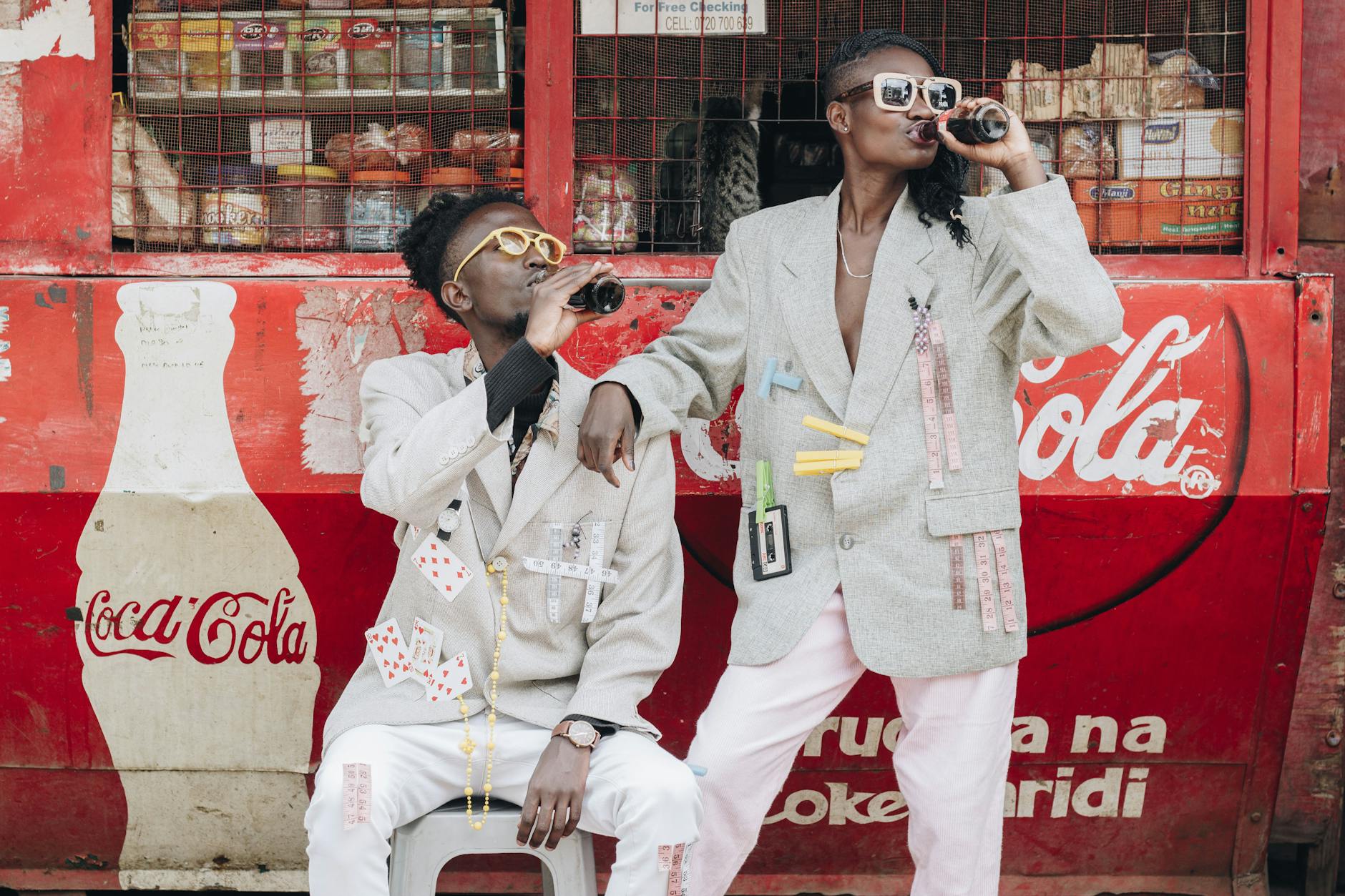
Whether you’re in Nairobi, New York, or New Delhi, you can spot the Coke red from a mile away. Hear the fizz of the bottle crack open and know exactly what it is. Feel the glass bottle and instantly associate it with a moment: summer, celebration, nostalgia, joy.
So what’s Coca-Cola doing that most brands aren’t?
The answer is simple but powerful: Coca-Cola understands the psychology of attention.
It doesn’t just advertise, it activates memory.
It doesn’t chase visibility, it commands familiarity.
It doesn’t sell a drink, it sells a feeling.
This article breaks down how Coca-Cola taps into the science of selective attention, and why its visual identity, sensory cues, and emotional resonance have made it one of the most recognizable brands on the planet.
Let’s unpack the strategy behind that iconic red.
Selective Attention in Marketing: Why Consumers Tune Most Brands Out
Let’s get one thing straight: your biggest competition isn’t another brand, it’s your audience’s attention span.
The human brain is built to filter information fast. It’s how we survive information overload. This filter, known as selective attention, is constantly deciding what’s worth noticing and what can be safely ignored.
Most marketing? Gets ignored.
But the brands that rise above the noise are the ones that know how to hack attention at a subconscious level. They tap into emotion, familiarity, design, and repetition to make themselves impossible to forget even in a distracted world. Coca-Cola is one of the best in the game. Here’s how they do it.
Coca-Cola’s Attention-Triggering Toolkit
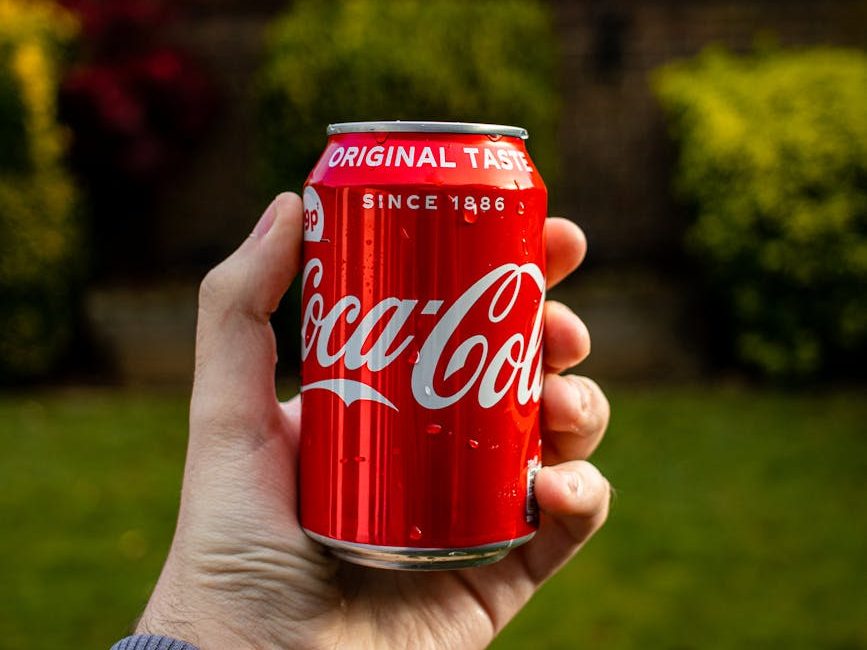
Coca-Cola’s marketing isn’t just memorable, it’s engineered to be. Here’s the playbook they’ve used to own attention for over a century:
1. Color Psychology: Coca-Cola Red Is Not Accidental
Coca-Cola’s red is more than iconic, it’s psychological. Red is associated with energy, appetite, excitement, and speed. It’s the same color used in fast food, action buttons, and sale signs because it grabs attention instantly.
Coca-Cola leans into this intentionally:
- It never strays from its signature red-and-white palette.
- It uses red to anchor brand memory across packaging, billboards, and digital assets.
- In a sea of over-designed visuals, that clean Coke red cuts through.
It’s not just color, it’s cognitive coding.
2. Sensory Branding: When Sound and Touch Build Loyalty
Coca-Cola isn’t just a visual brand, it’s a multi-sensory experience.
- The pssst of the bottle opening.
- The fizz hitting the ice.
- The curved glass bottle that fits perfectly in your hand.
Every detail is part of a brand ecosystem that signals Coke long before the logo appears. These cues trigger emotional and physical recognition, tapping into memory systems that bypass conscious processing.
That’s not just design, it’s deep sensory branding.
3. Visual Consistency: Repetition Builds Recall
Coca-Cola has barely touched its logo in over 100 years. The typography, shape of the bottle, and core visuals remain consistent even as advertising trends change.
This isn’t laziness, it’s long-term brand architecture.
In a fragmented media landscape, consistency is power. It builds what psychologists call mental availability, the likelihood your brand comes to mind when a consumer is making a choice. No matter the country or campaign, Coca-Cola feels the same. That kind of consistency doesn’t just earn attention, it owns mindshare.
4. Emotional Anchoring: Selling the Feeling, Not the Formula
At its core, Coca-Cola doesn’t sell soda. It sells:
- Summer holidays.
- Family barbecues.
- First dates.
- Nostalgia.
- Moments of joy.
Campaigns like “Taste the Feeling” and “Open Happiness” aren’t about product specs, they’re about emotion-first storytelling. They invite consumers to associate Coca-Cola with how they want to feel, not what they want to drink. That emotional anchoring is what makes the brand intergenerational and culturally embedded. It’s global, yet personal.
What Brands Can Learn From Coca-Cola’s Selective Attention Strategy

Coca-Cola didn’t stumble into recognition, it built it, brick by brick, through brand discipline, sensory intelligence, and cultural fluency. For modern brands trying to break through the noise, here’s the real blueprint:
1. Be Visually Consistent, Always
Consistency isn’t boring, it’s branding. Your colors, typography, packaging, and visual identity should create immediate recognition, no matter the platform or product. If your social media looks one way, your packaging another, and your advertising somewhere in between, you’re not building a brand, you’re confusing your audience.
Coca-Cola teaches us:
- Repetition builds memory.
- Recognition builds trust.
- And trust is the currency of attention.
2. Own a Sensory Cue
Great brands don’t just show up visually; they show up emotionally and physically.
Ask yourself:
- What sound represents your brand?
- What’s your tactile signature?
- Is there a rhythm, a tone, a texture that could be uniquely yours?
Think of Netflix’s “ta-dum”, the click of a MacBook, the velvety matte feel of Glossier’s packaging. These are invisible touchpoints that speak louder than any headline. Sensory branding is a shortcut to deep emotional engagement. Use it.
3. Sell Emotion, Not Just Product Features
Most brands try to explain why their product is better. The best brands show you how it makes life feel better. Coca-Cola doesn’t run ads saying, “We’re made with carbonated water, sugar, and caramel color.”
Instead, they give you summer picnics, warm family dinners, joyful reunions.
The product becomes the backdrop.
The emotion becomes the message.
So if your marketing is feature-first and emotion-optional, it’s time to flip the formula. Sell the transformation. Sell the identity. Sell the moment.
Final Takeaway: In a Distracted World, Attention Is Earned by Emotion and Experience
Coca-Cola’s brand power isn’t a fluke, it’s a masterclass in how to own attention in a world that doesn’t want to pay it. By combining color psychology, sensory branding, visual discipline, and emotional storytelling, Coca-Cola doesn’t compete for attention, it earns trust, nostalgia, and loyalty without even needing to say its name.
The lesson?
You don’t have to be everywhere. You just have to be unforgettable when you show up. In a world chasing impressions, build impact.


 Certified And Creative
Leave a comment