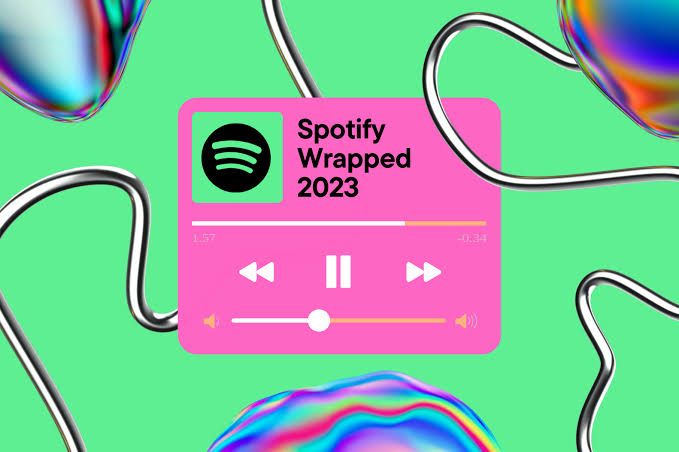
From ‘Spotify Wrapped’ to mood-based playlists, how behavioural targeting and emotional insight keep 600M users coming back.
Welcome to the Age of Personalised Everything
Mass marketing is dead. The best-performing brands today don’t speak to segments. They speak to states. Moods. Moments. Micro-behaviours. And few brands do this better than Spotify.
Spotify isn’t just a streaming service. It’s a behavioural engine: tracking, predicting, and responding to what you feel, before you know you’re feeling it. And it’s made psychographic micro-segmentation its marketing superpower.
From “Sad Indie Rainy Day” to “Beast Mode,” Spotify doesn’t just serve content. It serves identity, context, and belonging at scale.
This post breaks down how Spotify leverages segmentation theory, behavioural signals, and psychographics to build emotional intimacy and how you can apply the same strategy, even if you’re not sitting on a sea of data.
What Is Psychographic Segmentation and Why Does It Matter Now?
Psychographic segmentation goes beyond demographics. Instead of age, gender, or geography, it focuses on:
- Values
- Lifestyle
- Personality traits
- Emotional states
- Cultural identity
Spotify uses this not to define “who” you are but how you feel, think, and move through moments.
It’s not just about “Gen Z in New York.” It’s “a 22-year-old who listens to Afrobeats in the gym, indie when they work, and soul on Sunday nights to decompress.”
The result? Brand intimacy at algorithmic scale.
STP, Personalised: How Spotify Builds From Insight to Interface
Spotify has redefined how the STP model (Segmentation, Targeting, Positioning) works in the digital age.
1. Segmentation
Rather than static personas, Spotify segments by real-time behaviour: mood, device, time of day, skips, replays, and context.
2. Targeting
Targeting is based on emotional or situational relevance. For example:
- “Chill Morning” = low-tempo, acoustic
- “Pre-game Hype” = high-energy hip-hop and dance
- “Coding Mode” = instrumental focus music
3. Positioning
Spotify doesn’t position itself as “the biggest library.” It positions itself as the most in-tune with you. That’s the edge.
You’re not using Spotify to find music. You’re using it to find your soundtrack for right now.
Spotify Wrapped: The Case Study That Sells Itself
Let’s talk about one of the smartest marketing campaigns of the last decade: Spotify Wrapped. Released every December, Wrapped turns each user’s data into a personalised storytelling moment:
- Most-played artist
- Most-listened genre
- Minutes streamed
- Vibes, moods, audio auras
Wrapped does four things brilliantly:
- Taps into identity: “This is who I am, musically.”
- Creates shareable content: Social bragging rights.
- Strengthens platform loyalty: People stick with Spotify to keep their data continuity.
- Delivers free viral marketing: 150M+ organic impressions annually.
Wrapped is a psychographic mirror. It reflects back the user’s taste, emotion, and self-image, making Spotify the platform that gets them.
Mood Marketing: From Metadata to Mindstate
Spotify uses listener behaviour to anticipate not just what you want to hear, but when and why you want to hear it.
Their mood and activity-based playlists are proof:
- “Feel Good Indie Rock”
- “Deep Focus”
- “Mood Booster”
- “Songs to Cry To”
- “Piano in the Background”
These aren’t genres, they’re vibes. Spotify knows that music isn’t consumed by category, but by context. That’s where most marketers miss. They segment by profile. Spotify segments by moment.
Behind the Algorithm: Behavioural Targeting in Practice
Spotify tracks:
- Song skips and replays
- Listening time and time of day
- Device and location
- Playlist follows
- Shared songs and save rate
This data builds a constantly evolving psychographic profile that powers:
- Discover Weekly (new music based on taste signals)
- Daily Mixes (familiar + surprising tracks)
- Dynamic ads (served based on time, behaviour, and tone)
It’s segmentation that adapts in real time, not just quarterly.
Why This Works: The Psychology of Feeling Understood
Spotify succeeds because it aligns with deep emotional drivers:
- Agency: You feel like you’re in control (even though the algorithm’s guiding).
- Belonging: You see others listening to what you love.
- Discovery: You get the thrill of “that’s so me” moments.
- Self-expression: You share playlists and Wrapped to show who you are.
This isn’t music. This is identity marketing.
How to Use This Strategy (Without Spotify’s Data Machine)
Don’t have billions of data points? You can still use psychographic segmentation to create emotional stickiness in your brand. Here’s how:
1. Map Emotional Use Cases
What mood, moment, or identity state are you serving? Don’t market the product, market the state your product supports.
2. Build Personalisation Into the Experience
Let users choose paths, moods, or goals. Give them control even if you’re guiding behind the scenes.
3. Segment By Values and Vibes
Forget age. Ask what your audience believes, craves, resists, and identifies with. Build messaging that mirrors them.
4. Design Shareable Reflection Moments
Wrapped worked because it gave users a story about themselves. What can you give your audience that helps them narrate who they are?
Final Word: Segments Don’t Build Loyalty. Signals Do.
Spotify doesn’t win because of its library. Apple and YouTube have that too.
It wins because it’s emotionally fluent. It listens, it learns, and it speaks back in moments that matter. It sees you. It knows you.
That’s the real goal of segmentation: not to divide audiences—but to make each one feel like they’re the only person in the room.
If your brand can do that, you won’t just earn customers.
You’ll earn devotion.


 Certified And Creative
Leave a comment